
Walsingham Pilgrimage
Your complete guide to planning a pilgrimage on the Walsingham Pilgrimage
Photo: Richard Humphrey, CC BY-SA 2.0, via Wikimedia Commons
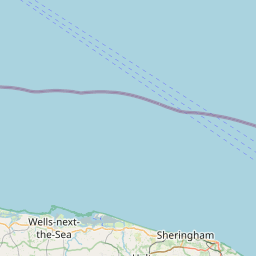
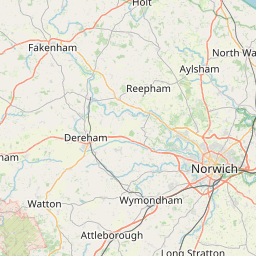
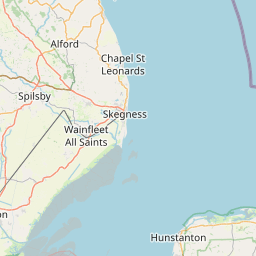

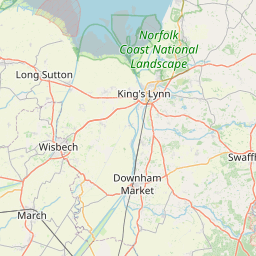




Plan your route
Click any pin on the map above and choose Add to your route to build your overnight stops, stage by stage.
Don't forget
A walk of this length (Various routes) is a real undertaking. Here is what you will need to stay safe and comfortable on the Walsingham Pilgrimage.
Physical preparation
- Build up to the daily mileage in the weeks before — walk in the boots you will wear on the trail.
- Break in your boots thoroughly to avoid blisters; carry plasters and moleskin.
- Pace yourself — start each stage slowly and take short, regular rests.
Clothing & footwear
- Sturdy, waterproof walking boots with good ankle support.
- Moisture-wicking layers — a base layer, fleece, and a waterproof jacket.
- A hat and gloves even in summer — UK hill weather can change quickly.
In your day pack
- At least 1.5–2 litres of water per stage, plus high-energy snacks.
- A small first-aid kit, blister plasters, and any personal medication.
- Sunscreen and sunglasses — you will be exposed for hours at a time.
Navigation & safety
- Carry a printed route map and compass; do not rely solely on a phone.
- Keep your phone charged — a small power bank is worth its weight.
- Tell someone your planned route and expected arrival time each day.
Use us to plan your accommodation
Use Pilgrim Stays UK to find and book pilgrim-friendly places to stay along the Walsingham Pilgrimage. For everything else — detailed route maps, GPX downloads, stage-by-stage guides and a community of fellow pilgrims — head to the British Pilgrimage Trust.
About this route
Known as 'England's Nazareth', Walsingham has been a place of pilgrimage since 1061, when Richeldis de Faverches had a vision of the Virgin Mary. The village is home to both the Anglican and Catholic National Shrines, drawing thousands of pilgrims each year to its replica of the Holy House of Nazareth.
Walsingham has been a place of pilgrimage since 1061, when Richeldis de Faverches had a vision of the Virgin Mary and built a replica of the Holy House of Nazareth in the Norfolk countryside. Known as 'England's Nazareth', the village became one of medieval Europe's foremost Marian shrines.
Today, Walsingham is home to both the Anglican Shrine of Our Lady of Walsingham and the Catholic National Shrine at the Slipper Chapel. Thousands of pilgrims travel to Norfolk each year to walk the Holy Mile, attend mass and experience the peace of this sacred place.
Planning a Walsingham Pilgrimage pilgrimage
Planning a pilgrimage on the Walsingham Pilgrimage? This guide covers everything you need — when to go, how many days to allow, where to stay, how to get there and what to pack — so you can plan your Walsingham Pilgrimage walk with confidence.
When to go
The best months for planning a Walsingham Pilgrimage pilgrimage are May to September, when daylight hours are longest and the weather is most reliable. Book your accommodation well in advance, especially during school holidays and summer weekends when places to stay along the route fill up quickly.
How many days to allow
Most pilgrims allow 2–3 days to complete the Various routes route. Plan an overnight stop at the end of each of the 3 stages, and consider adding a rest day if you are walking for more than four days. Use our Plan Your Route tool above to map out your stage-by-stage itinerary.
Booking accommodation
Use our Plan Your Route tool to browse and book pilgrim-friendly places to stay in Walsingham, Norwich, Fakenham and along every stage of the Walsingham Pilgrimage. Add accommodation to each stage of your itinerary, then book directly through Pilgrim Stays UK for integrated listings or contact the provider for directory listings.
Getting there and back
Plan your transport to the start in Norwich and your return from Walsingham. Many pilgrims use public transport — check train and bus connections when planning your pilgrimage itinerary.
What to pack
Sturdy walking boots, waterproofs, a day pack, a water bottle, and layers for changeable British weather are essential for planning any UK pilgrimage. See our "Don't Forget" section below for a detailed packing checklist tailored to the Walsingham Pilgrimage.
Highlights along the way
Sacred sites, historic churches and landmarks you'll encounter on the Walsingham Pilgrimage.
Anglican Shrine of Our Lady
Catholic National Shrine
Slipper Chapel
Walsingham Abbey grounds
Stage-by-stage accommodation on the Walsingham Pilgrimage
Plan your pilgrimage night by night. Each stage below shows available accommodation at the start and end of the day's walk — click through to view stays and check availability.
Frequently asked questions
Why is Walsingham called England's Nazareth?
Walsingham is called 'England's Nazareth' because in 1061 Richeldis de Faverches had a vision of the Virgin Mary and built a replica of the Holy House of Nazareth there, making it one of medieval Europe's foremost Marian shrines.
What are the shrines at Walsingham?
Walsingham is home to both the Anglican Shrine of Our Lady of Walsingham and the Catholic National Shrine at the Slipper Chapel, drawing thousands of pilgrims to Norfolk each year.
How long is the Walsingham pilgrimage?
Most pilgrims spend 2 to 3 days in Walsingham, walking the Holy Mile between the shrines and exploring the abbey grounds, with time for worship and reflection.
Where can I stay on the Walsingham pilgrimage?
Pilgrim Stays UK lists verified pilgrim-friendly accommodation in Walsingham, Norwich and Fakenham for pilgrims visiting England's Nazareth.
How do I plan a Walsingham pilgrimage?
Planning a Walsingham pilgrimage is straightforward — most pilgrims spend 2 to 3 days in the area. Book pilgrim-friendly accommodation in Walsingham, Norwich or Fakenham in advance, plan your travel to Norfolk, and check the shrine websites for service times and special events before finalising your itinerary.
When is the best time to visit Walsingham?
The best months for planning a Walsingham pilgrimage are April to October, when the Norfolk countryside is mild and the abbey grounds are at their best. Major pilgrimage events draw large crowds in spring and summer — book accommodation early if you plan to attend.