
UK Pilgrimage Routes
Walk in the footsteps of saints. Discover Britain's sacred Christian trails — and find faith-friendly accommodation along every route.
For over a thousand years, Christians have walked the paths and trails of Britain in search of spiritual renewal. From the medieval pilgrims who journeyed to Canterbury Cathedral to the Celtic saints who crossed to Iona, these sacred routes are woven into the fabric of our faith and our landscape.
Today, these ancient pilgrim paths are being rediscovered by walkers, cyclists, and spiritual seekers of all kinds. Below you'll find guides to the most important Christian pilgrimage routes in the UK, along with links to verified Christian friendly accommodation along each one.
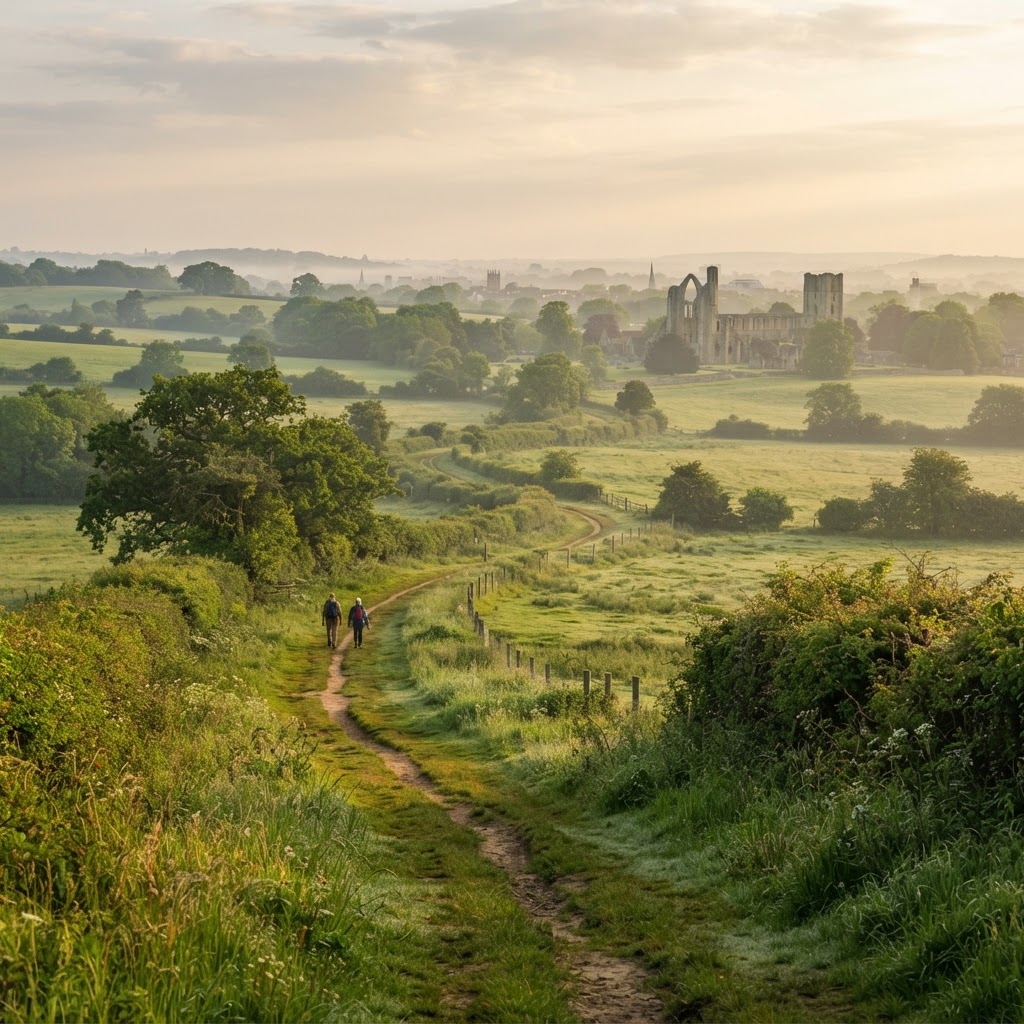
St James' Way
The UK leg of the Camino de Santiago, St James' Way follows an ancient pilgrim path from Reading Abbey to Southampton, where medieval pilgrims would set sail for Spain. Today, walkers can follow the waymarked route through the English countryside, passing historic churches, riverside paths, and quiet villages along the way.

The Pilgrims' Way — Winchester to Canterbury
The Pilgrims' Way is the ancient 130-mile pilgrimage from Winchester Cathedral to Canterbury Cathedral — the route medieval pilgrims followed to the shrine of St Thomas Becket. Winding across the southern slopes of the North Downs through Hampshire, Surrey and Kent, it passes Farnham, Guildford, Rochester and Maidstone before arriving at the magnificent Canterbury Cathedral, immortalised in Chaucer's Canterbury Tales.
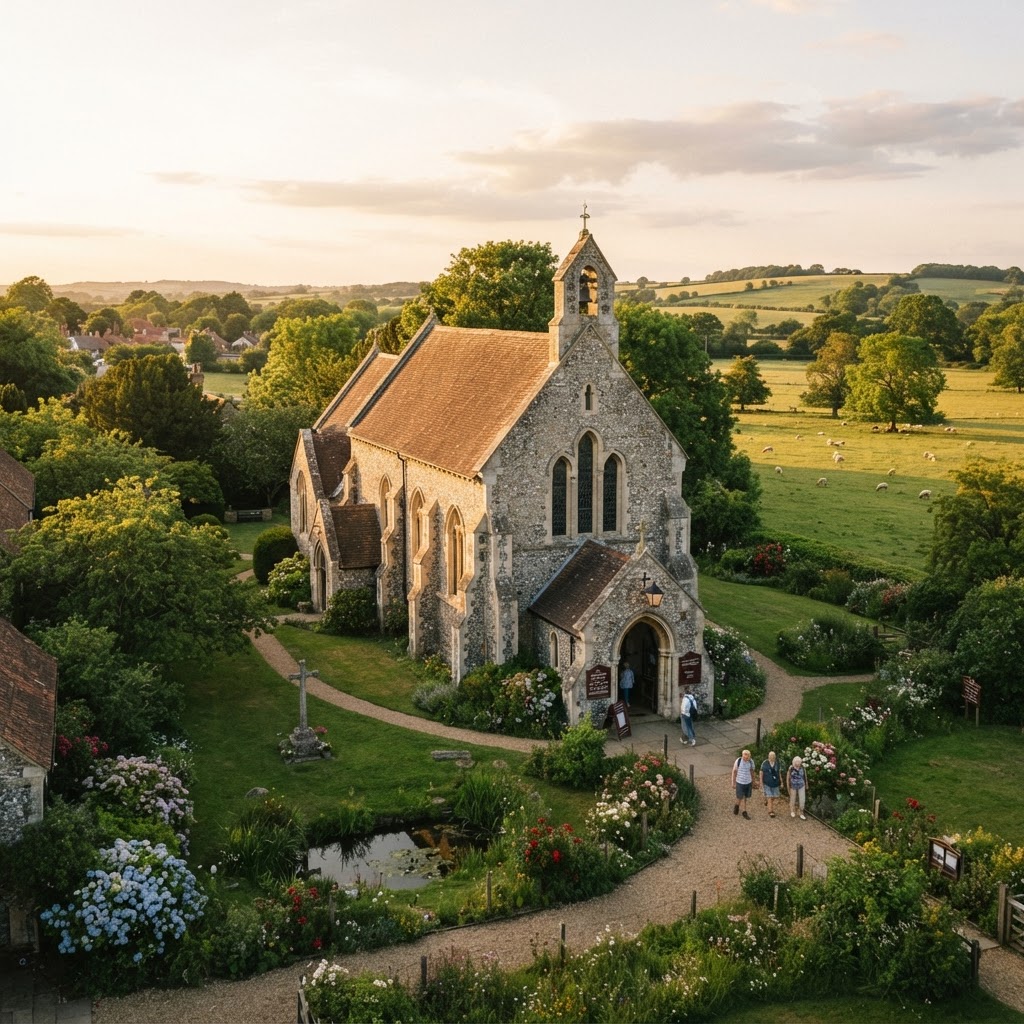
Walsingham Pilgrimage
Known as 'England's Nazareth', Walsingham has been a place of Christian pilgrimage since 1061, when Richeldis de Faverches had a vision of the Virgin Mary. The village is home to both the Anglican and Catholic National Shrines, drawing thousands of pilgrims each year to its replica of the Holy House of Nazareth.

Iona Pilgrimage
Iona is one of the oldest and most sacred Christian sites in Britain. In 563 AD, St Columba landed here from Ireland and founded a monastery that became the cradle of Celtic Christianity. Pilgrims still cross to this tiny Hebridean island to walk in the footsteps of the saints, visit the restored abbey, and experience the profound peace of this sacred place.
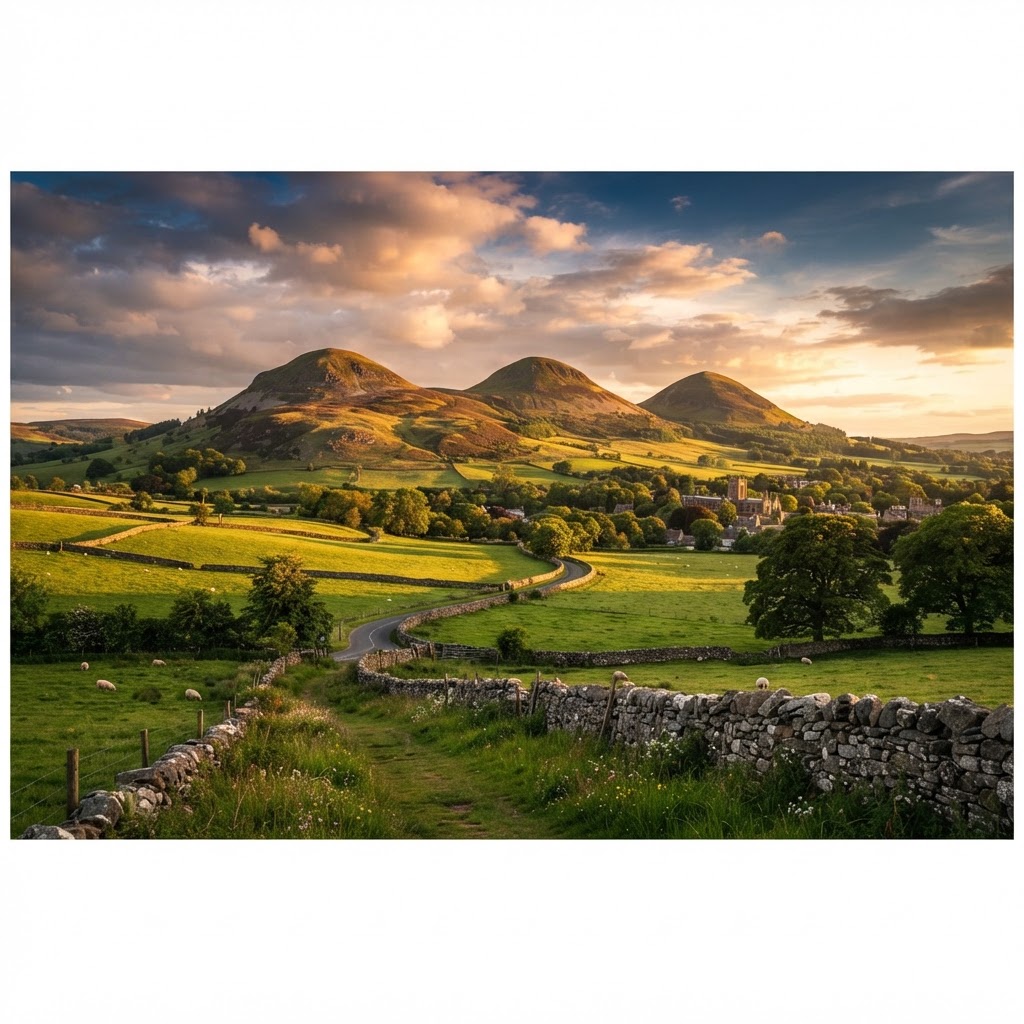
St Cuthbert's Way
St Cuthbert's Way is a 62-mile long-distance trail from Melrose Abbey in the Scottish Borders to Holy Island (Lindisfarne) in Northumberland. It follows the journey of St Cuthbert — the 7th-century monk, bishop and hermit whose shrine at Durham Cathedral became one of medieval Europe's most important pilgrimage destinations.

Northern Saints Trails
A network of six pilgrimage routes in North East England, all converging on Durham Cathedral — the final resting place of St Cuthbert and St Bede. The trails connect ancient Christian sites including Hexham, Jarrow, and Lindisfarne, offering modern pilgrims a variety of journeys through some of England's most sacred landscapes.
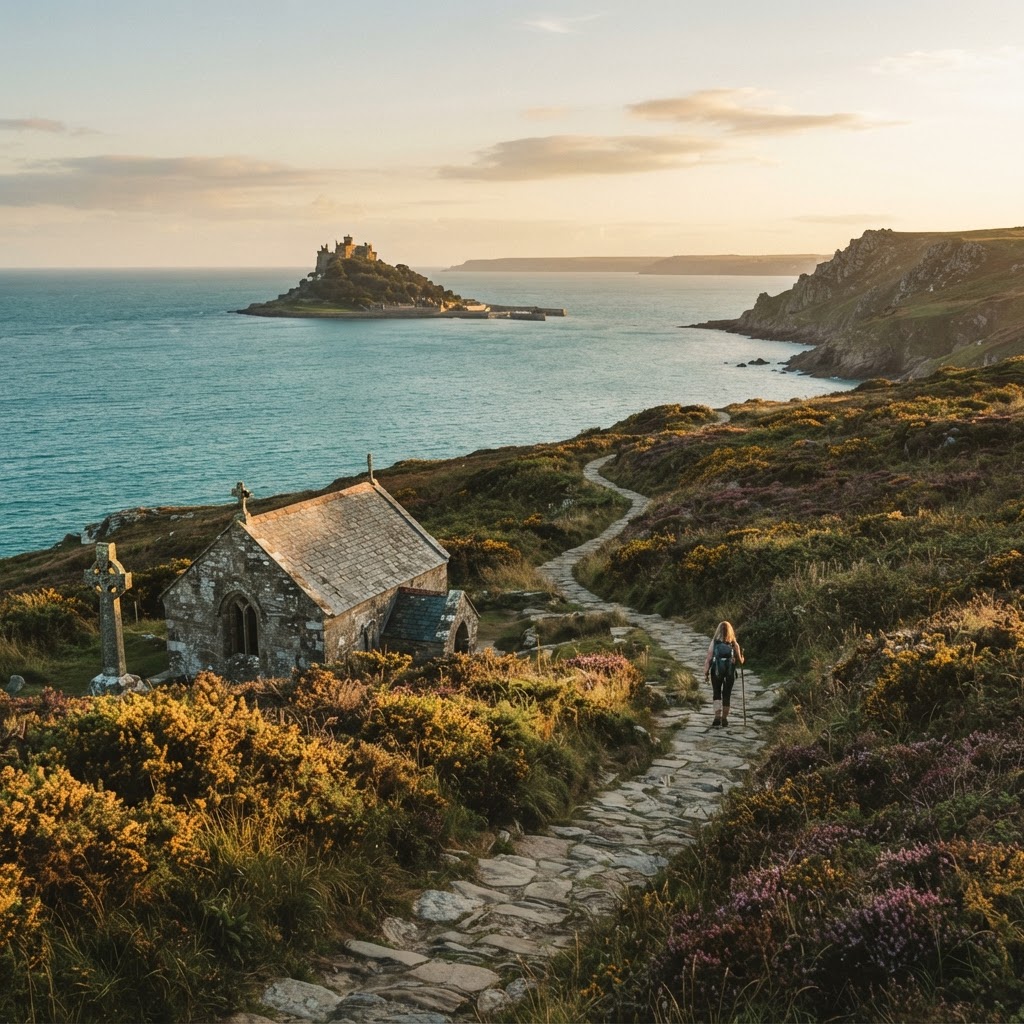
St Michael's Way
St Michael's Way is a 12.5-mile pilgrimage trail in west Cornwall, linking Lelant on the south coast to St Ives on the north. Historically used by pilgrims and missionaries from Ireland and Wales travelling to Santiago de Compostela, the route crosses the narrowest part of the Cornish peninsula — passing the Hayle Estuary, Trencrom Hill and Carbis Bay — to avoid the dangerous sea voyage around Land's End.
Golden Valley Pilgrim Way
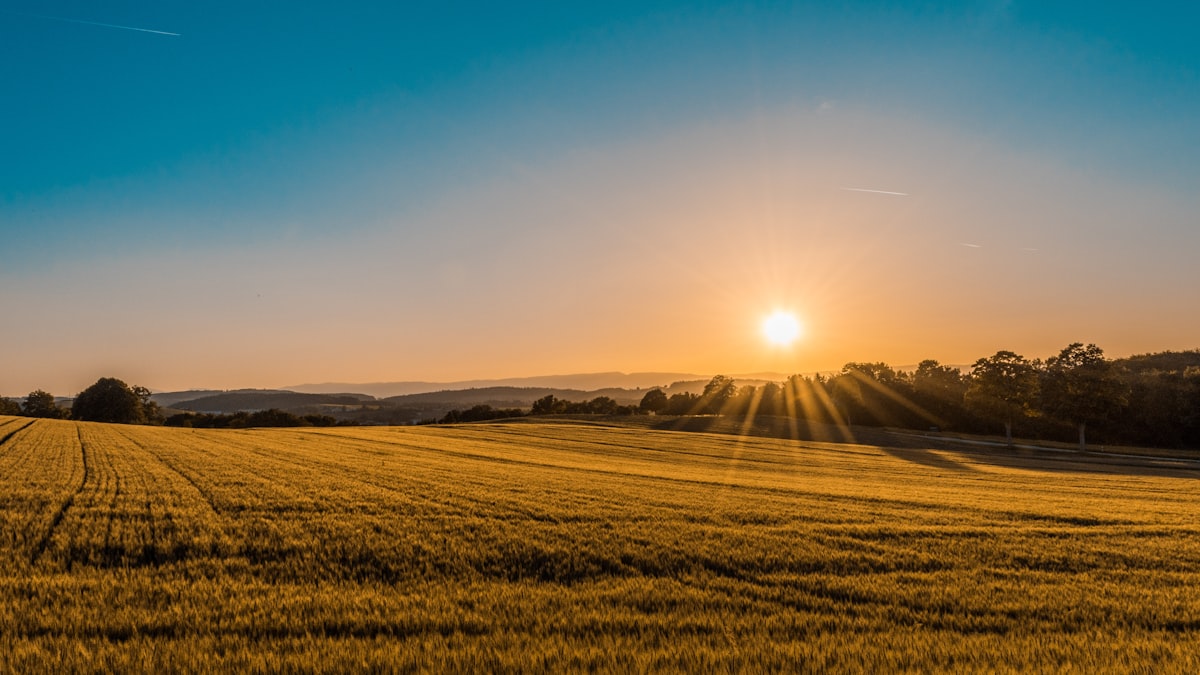
The Golden Valley Pilgrim Way is a 66-mile circular pilgrimage from Hereford through the Golden Valley of Herefordshire. Following the valley of the River Dore to the Welsh border and back, the route links a chain of ancient parish churches — including Madley, a pilgrim site since 550AD — that have offered sanctuary to pilgrims for over a thousand years. Each church provides simple sleeping space for a suggested donation, making this one of Britain's most distinctive pilgrimage experiences.
Mourne Mountains (St Patrick's Way)
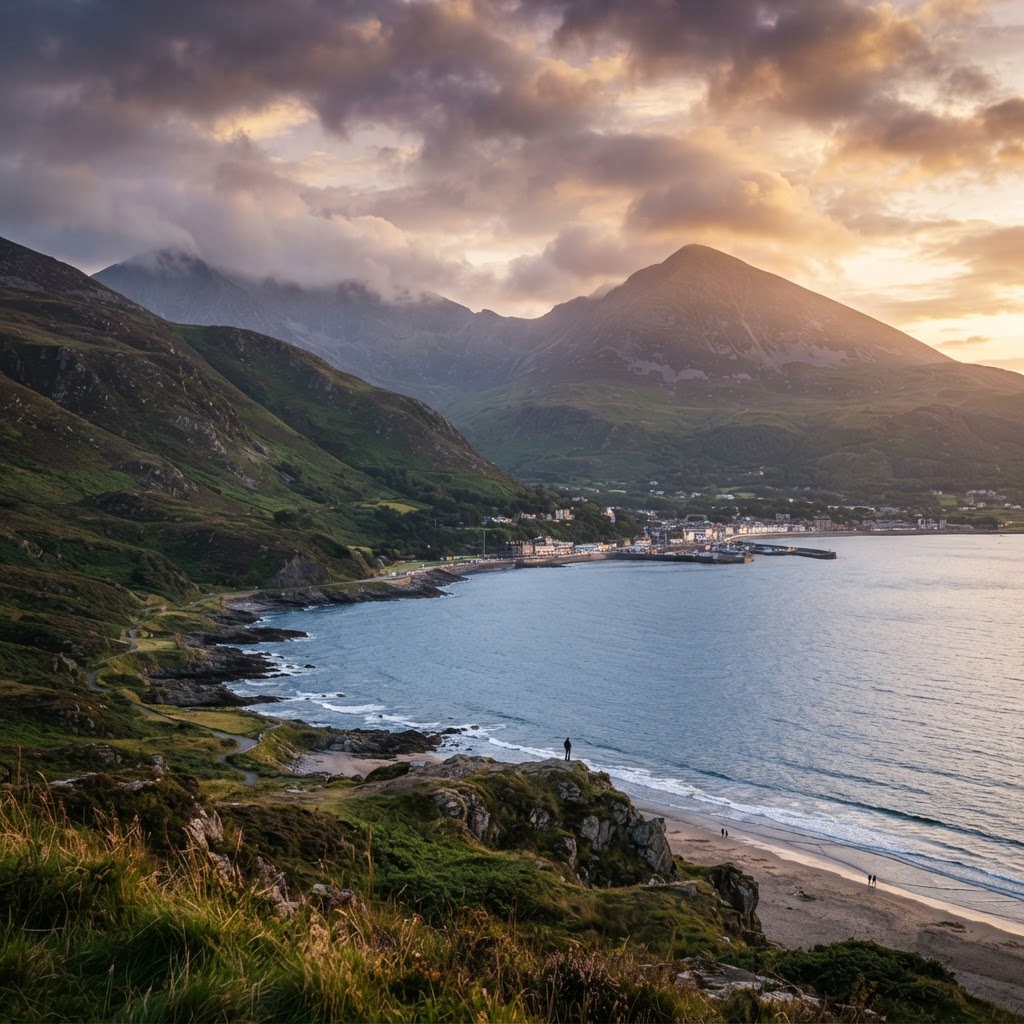
St Patrick's Way is an 82-mile pilgrimage through the heart of Northern Ireland, from Armagh — where Saint Patrick established his church — to Downpatrick, the saint's final resting place. The route passes through the breathtaking Mourne Mountains, where pilgrims can follow in the footsteps of Saint Patrick and his disciple Saint Donard, whose hermit's cell still crowns the summit of Slieve Donard, Northern Ireland's highest peak.
Cumbrian Cistercian Way
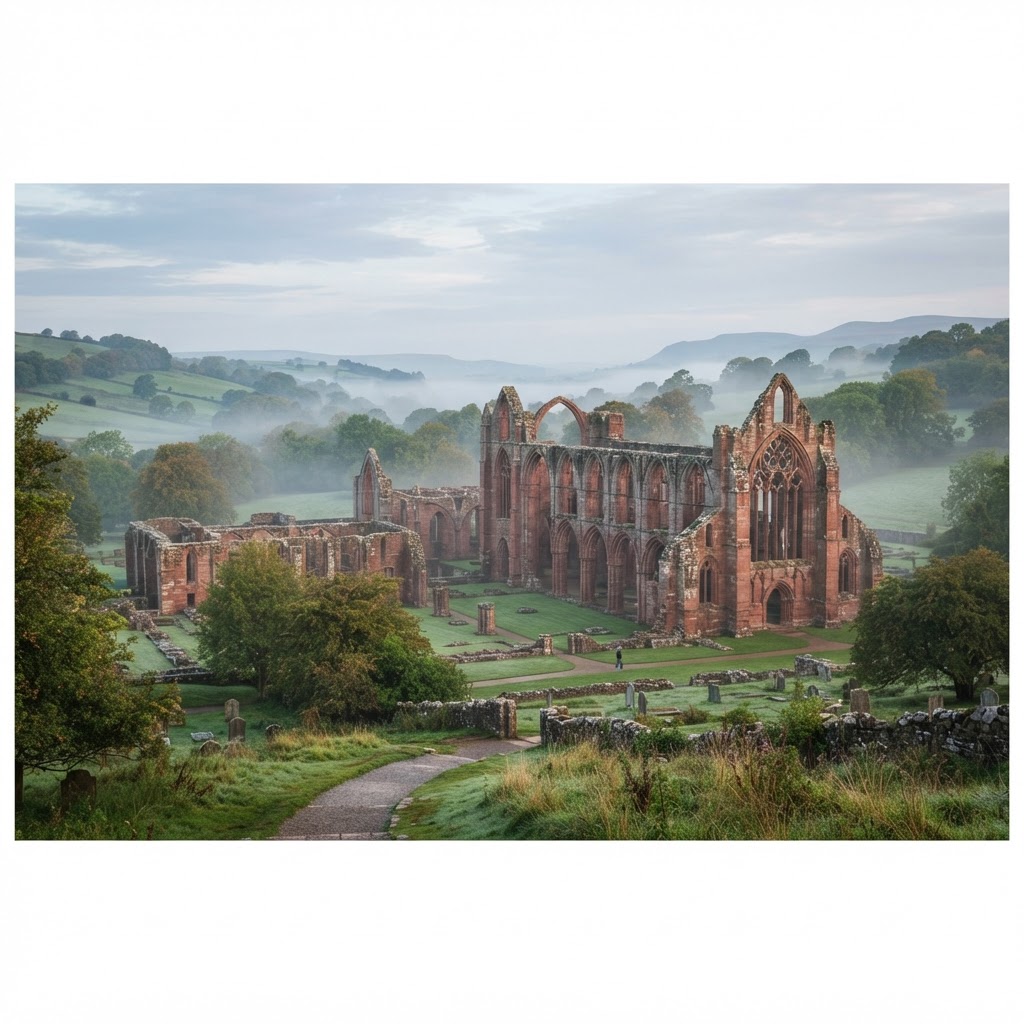
The Cumbrian Cistercian Way is a 25-mile pilgrimage through the calming landscape of South Cumbria, in the footsteps of medieval Cistercian monks. From the 14th-century Piel Castle on Piel Island to the magnificent Cartmel Priory — the 'Cathedral of the Lakes' — the route passes Furness Abbey, ancient churches, prehistoric stone circles and the Manjushri Kadampa Temple at Conishead Priory, offering a blend of spiritual reflection and exploration of the natural beauty of South Cumbria.
St Aelred's Pilgrim Trail
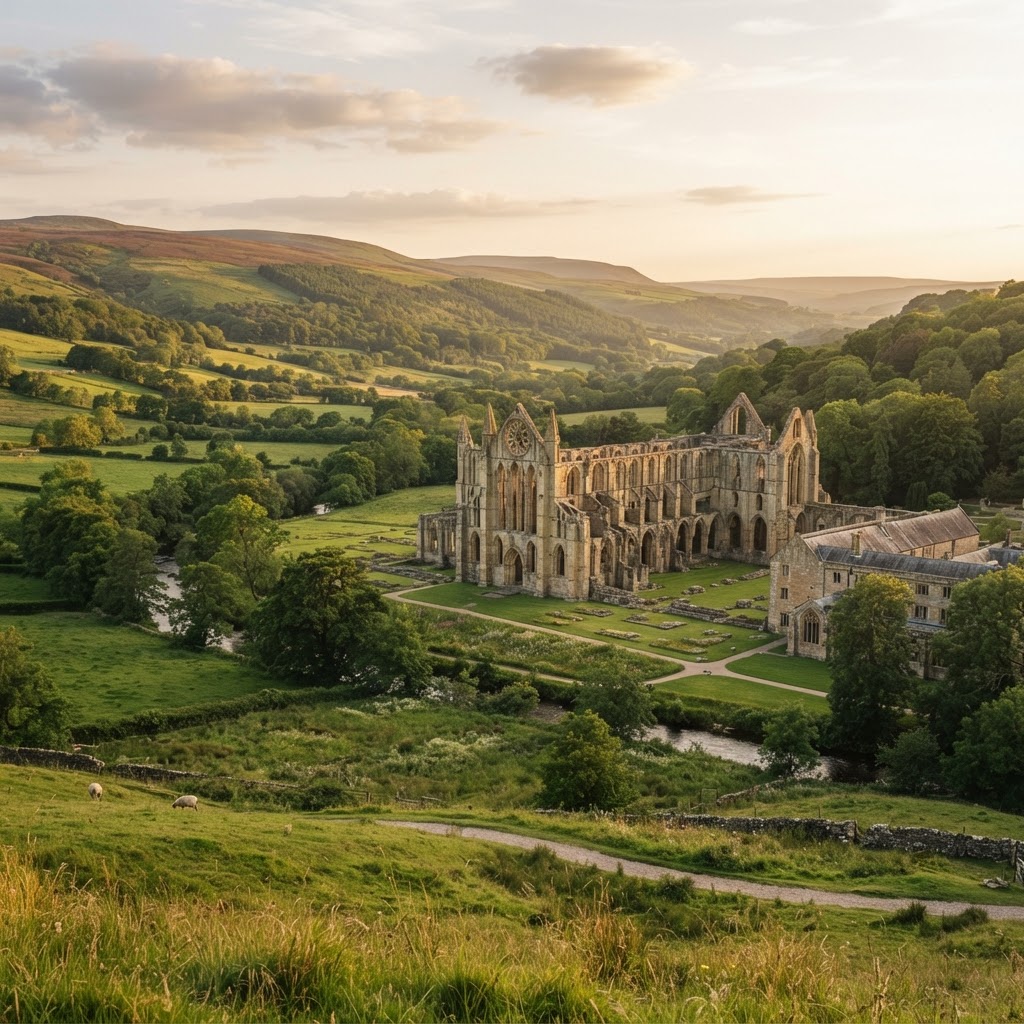
St Aelred's Pilgrim Trail is a 41-mile pilgrimage through the breathtaking landscape of the North York Moors, linking the historic churches of Upper Ryedale and Helmsley with Rievaulx Abbey — one of England's most beautiful Cistercian ruins. The trail follows in the footsteps of St Aelred of Rievaulx (1110–1167), the English Cistercian monk and writer who served as Abbot of Rievaulx for 20 years. Divided into nine stages of 1.5 to 7.5 miles, each ending at a historic rural church, the trail is accessible to walkers, cyclists and horse riders.
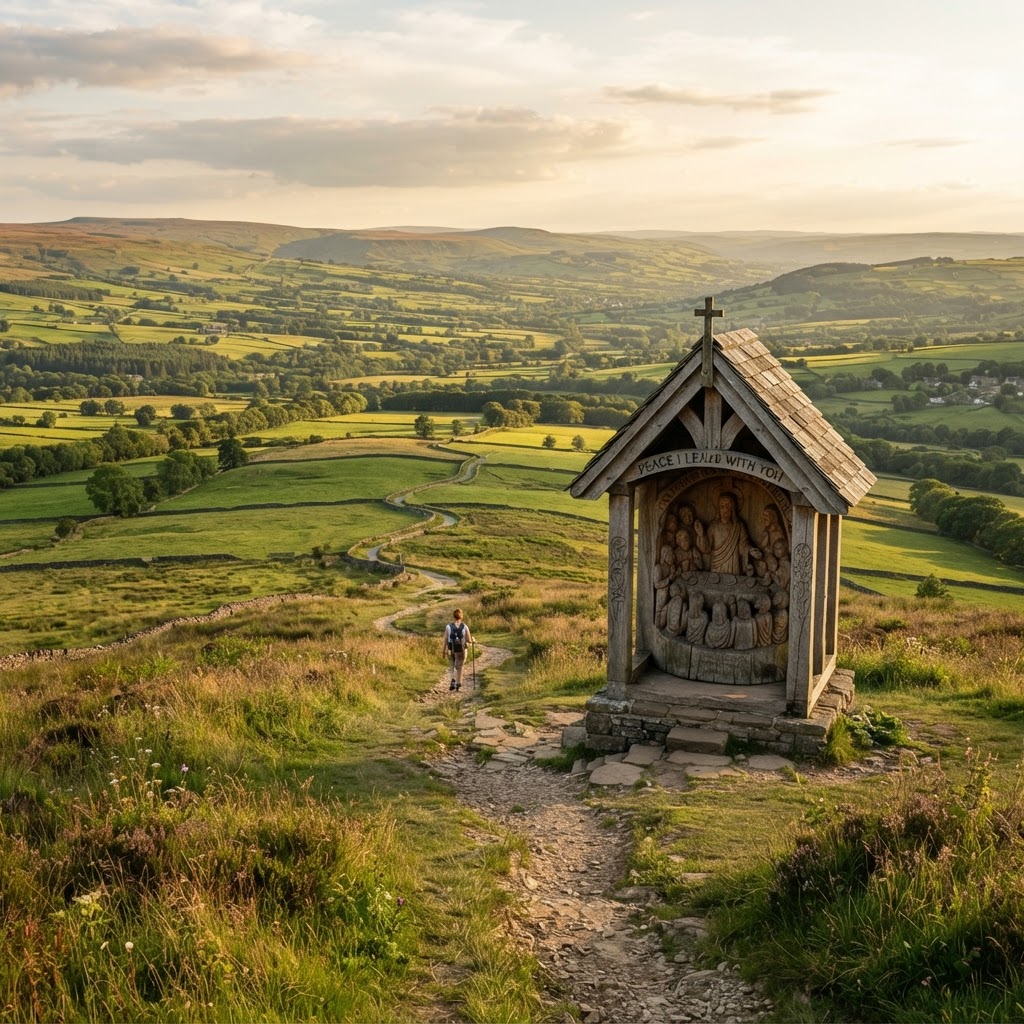
Via Beata (Way of Blessing)
The Via Beata — 'Way of Blessing' — is Britain's only coast-to-coast pilgrimage, running over 400 miles from Lowestoft in Suffolk to St David's Cathedral in Wales. Every 10 miles along the route, hand-carved oak artworks telling Bible stories are being installed as way stations — resting points for pilgrims. The route crosses some of the most beautiful landscapes in England and Wales, from the Suffolk coast through the Fens, the Midlands and the Welsh border to the ancient pilgrimage city of St David's in Pembrokeshire.
Every booking helps preserve our Christian heritage
We donate 10% of our annual profits to Christian heritage projects across the UK, helping restore and preserve churches, chapels, monasteries and other places that tell the story of Christianity in Britain.